

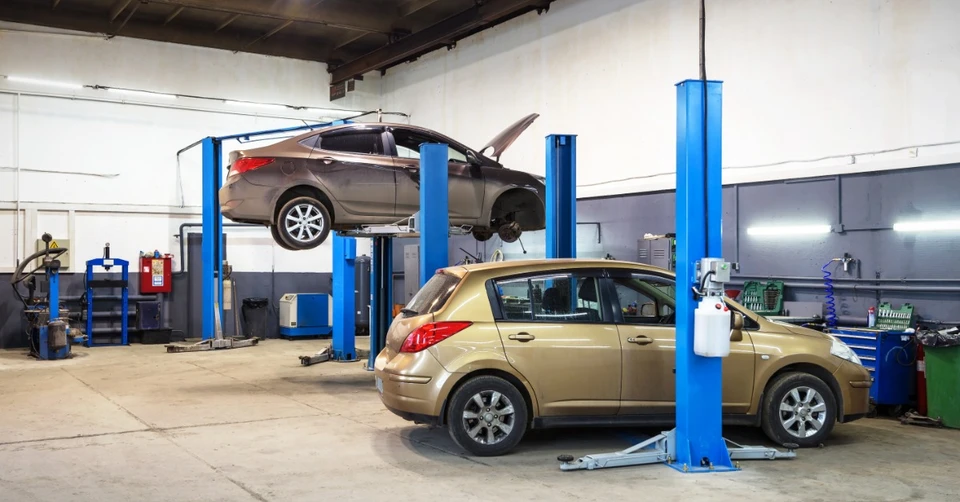
A vehicle lift changes more than working height. It affects how technicians reach different vehicle areas, how cars enter and leave the bay, and which jobs your shop can support comfortably. When comparing 2-post vs. 4-post automotive lifts, neither design is automatically the better purchase. The right choice starts with the work going through the bay, then moves to vehicle fit and facility requirements before price enters the conversation.
Choose a Two-Post Lift for Wheels-Free Service Access
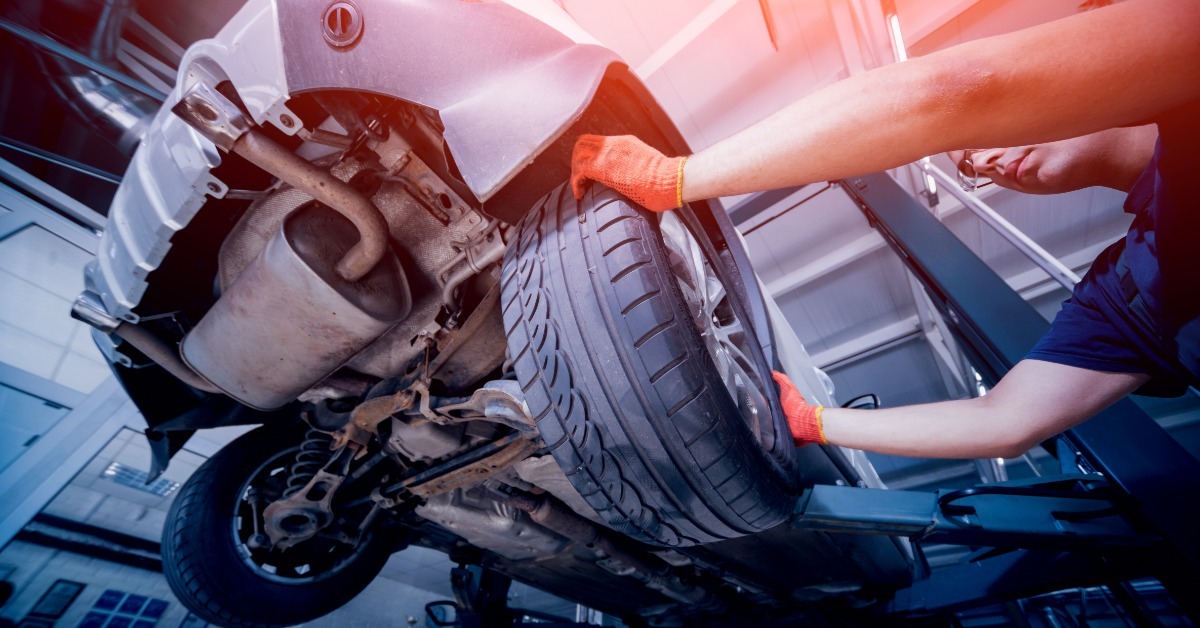
A two-post lift usually supports the vehicle through frame-engaging arms rather than its tires. These lifts typically use swing arms that travel up two columns. That arrangement leaves the wheels hanging free, giving technicians open access underneath the vehicle.
That access makes two-post lifts especially practical for service bays handling brake, suspension, tire, and many undercarriage jobs. Technicians can reach wheel assemblies without first raising the vehicle away from a set of runways. For a shop where wheels-off work is routine, that difference can matter more than an extra feature that rarely gets used.
Vehicle positioning deserves just as much attention. The lift arms must reach the appropriate lifting points for each vehicle the shop intends to service, and the lift still needs enough rated capacity for the load. Those are separate checks, which is why capacity alone should not decide the model.
A two-post design can also leave more open floor area between the columns than a runway-style lift. That does not mean every two-post lift fits every bay. Column placement and the exact lift configuration still affect how the equipment works in the available space.
Choose a Four-Post Lift for Runway-Supported Versatility
A four-post lift normally takes a drive-on approach. Multi-post runway lifts are commonly configured with four posts and raise the vehicle while it remains supported by its tires. That gives technicians access underneath without first positioning frame-engaging arms.
The runway design can suit shops that value easy vehicle positioning or perform work where wheels-on support makes sense. Four-post configurations also appear in storage and parking applications, extending this lift style beyond a conventional repair bay.
Wheels-free work needs a closer look. Four-post lifts can be configured for wheels-free service, but buyers should verify how the exact model accomplishes that. Some applications may call for compatible rolling bridge jacks or other model-specific equipment.
That distinction matters when comparing 4-post car lifts with 2-post alternatives. A shop that performs frequent brake or suspension work should account for how technicians will get the wheels off the runways. A shop focused more heavily on drive-on service or vehicle storage may place more value on the runway layout.
Compare the Vehicle Mix Before Choosing Either Lift
The heaviest vehicle in the parking lot should not drive the decision alone. Rated capacity is critical, but vehicle dimensions and weight distribution also affect practical lift selection. A model needs to work with the vehicles that actually enter the bay, not simply clear a capacity number on paper.
With a two-post lift, pay particular attention to arm reach and the manufacturer-designated lifting points on the intended vehicles. A shop working on compact cars may have a different fit problem than one regularly servicing long-wheelbase trucks. Mixed-vehicle shops should evaluate that range before narrowing the shortlist.
Four-post buyers need a similar vehicle-first comparison. Runway dimensions and overall lift configuration can change which vehicles make sense for a particular model. Storage-oriented equipment can also differ considerably from lifts intended for daily professional service.
This is where the 2-post versus 4-post automotive lift decision becomes specific to the operation. Write down the vehicles the lift needs to handle most often, then look at the work performed on them. That check can eliminate poor fits before less important features start driving the purchase.
Compare the Facility Before Committing to a Model
A lift that fits the vehicle still has to fit the building. Ceiling clearance and usable bay space can narrow the field quickly. Then check concrete, electrical service, and installation requirements against the current documentation for the exact model.
Before ordering, collect the facility information needed for a realistic comparison:
- Measure usable ceiling height and bay dimensions.
- Identify doors, overhead obstructions, and nearby equipment.
- Confirm the exact model’s concrete and anchoring requirements.
- Check the required electrical service.
- Map the vehicle approach and working space around the lift.
- Plan how the equipment will reach and enter the building.
Do not rely on a concrete specification or installation rule taken from another lift. Requirements can differ by model, and general manufacturer guidance does not apply to a particular floor or building.
Workflow matters after the tape measure comes out. Think about where technicians will stand and how vehicles will move through the space during a busy day. A lift should support the bay’s normal operation instead of forcing the shop to work around it.
Compare the Full Purchase Before Comparing Price
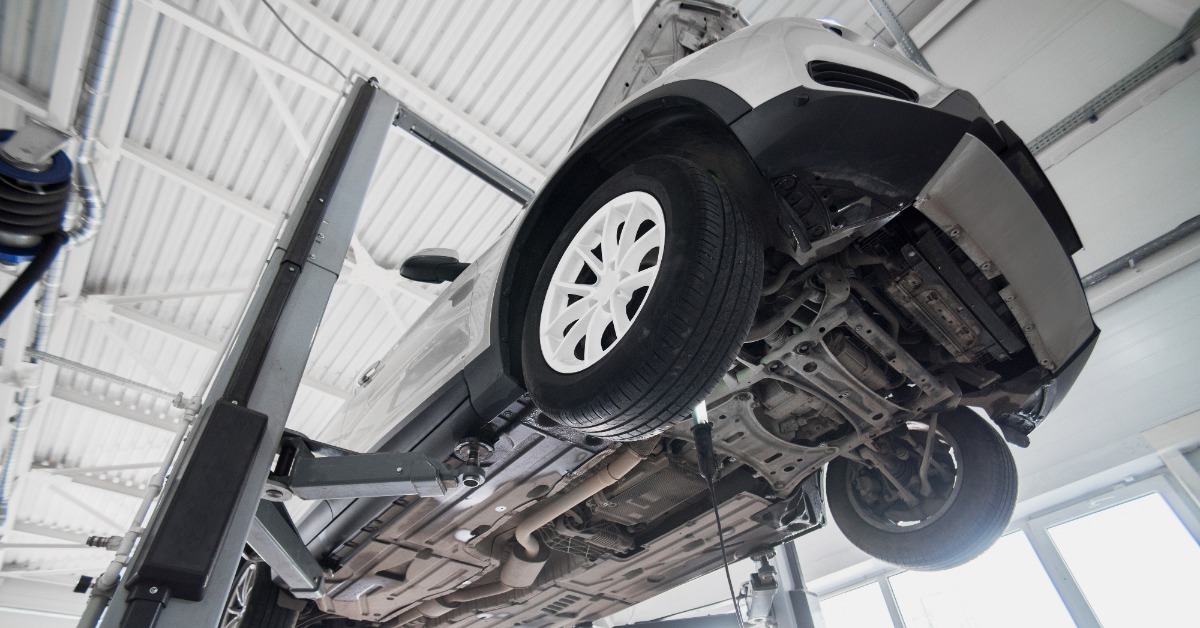
The equipment price is only one part of the purchase. Accessories or site preparation can change what the shop needs to spend before the lift is ready for its intended work. A lower base price loses some of its appeal if the configuration requires additional equipment to perform the jobs that justified the purchase.
Freight planning belongs in the comparison too. Delivery requirements can depend on the exact lift and receiving location. Sort out site access and the unloading method before the equipment is on the way.
The current commercial terms need a final check. Price and availability can change, while manufacturer warranty terms are model-specific.
Treat the total landed cost as part of that comparison rather than an afterthought. Confirm what comes with the exact lift, then identify anything the intended application requires beyond the base configuration. That creates a much more useful comparison than matching purchase prices alone.
Match the Lift to the Work Going Through the Bay
A two-post lift is often the stronger starting point when frequent wheels-free service and open access drive the bay’s workload. A four-post lift becomes more compelling when drive-on positioning or vehicle storage carries more weight. The final choice still depends on the exact model and the surrounding facility.
Automotive Equipment Specialists can help you narrow the choice between two-post and four-post lifts based on your vehicles, bay, and intended work. Review the current lift options online or contact an equipment specialist to get help finding the right fit before ordering.