


BANNER
You need equipment that handles the wheels coming through your shop, fits your available workspace, and keeps up with your service demands. Choosing the wrong machine can leave technicians struggling with difficult tire assemblies or discovering that certain jobs require additional equipment.
The most important things to consider when you’re choosing a tire changer include wheel compatibility, machine configuration, assist features, shop volume, and utility requirements. Understanding how these factors affect daily operations will help you narrow down your options before making a significant equipment purchase.
The Vehicles You Service
Start by looking at the vehicles your shop regularly handles. A general repair shop working primarily on passenger vehicles may have different equipment needs than a tire shop servicing performance vehicles, light trucks, and specialty wheels. Not all tire changers can accommodate the same wheel diameters, tire sizes, or wheel designs. A machine that handles standard passenger vehicle wheels may not be able to accommodate larger assemblies or certain specialty applications.
Before comparing models, identify the following:
- Vehicle types: Passenger vehicles, SUVs, light trucks, and specialty vehicles
- Wheel sizes: The smallest and largest wheel diameters your shop regularly services
- Tire profiles: Standard tires, low-profile tires, and run-flat designs
- Wheel materials: Steel, aluminum alloy, and specialty finishes requiring careful handling
- Future services: Additional vehicle categories or tire services you plan to offer
Review each manufacturer's specifications rather than assuming that a machine can handle every wheel within a broad size category.
Tire Changer Configurations
Tire changer design affects how technicians position wheels, secure assemblies, and remove tires. Understanding the main configurations can help you determine which setup makes sense for your workload.
Swing-Arm Tire Changers
Swing-arm machines typically use a mounting head positioned on an arm that moves away from the wheel between operations. Many conventional models also use a turntable with clamping jaws to secure the wheel.
These machines are worth considering for shops that perform routine passenger vehicle tire service. However, the exact clamping range, mounting head design, and available accessories determine which assemblies a particular model can accommodate.
Tilt-Back Tire Changers
Tilt-back machines feature a mounting column that moves backward to provide access when positioning or removing a wheel. This configuration can be useful in shops handling different wheel sizes throughout the day.
Consider how easily technicians can position assemblies and return the mounting head to its working position. Compare individual models’ operating clearances and adjustment features before deciding which design suits your bay.
Leverless Tire Changers
Leverless designs use specialized tools or mechanisms to lift the tire bead over the rim without relying on a conventional handheld tire lever. These machines deserve attention if your shop regularly encounters challenging tire and wheel combinations. However, leverless operation doesn't eliminate every manual task or guarantee protection against wheel damage. Confirm the supported tire types and operating procedures for each model.
Run-Flat and Low-Profile Tire Capabilities
Low-profile and run-flat tires can present additional challenges during mounting and demounting. Their sidewall characteristics and tire constructions may require greater control over bead positioning than conventional assemblies.
Some machines offer pneumatic assist arms, bead-pressing tools, or rollers that help technicians manage the tire bead during service. These features can be particularly useful for maintaining the bead's position in the wheel's drop center.
When comparing assist systems, check whether they provide:
- Bead pressing: Positions the tire bead during mounting
- Bead lifting: Assists with difficult bead removal
- Roller assistance: Controls the tire during mounting or demounting
- Adjustable positioning: Accommodates different wheel and tire configurations
Don't assume that the presence of an assist arm means that a machine can support every run-flat tire. Check the manufacturer's approved applications, limitations, and operating instructions.
Wheel Clamping and Protection Features
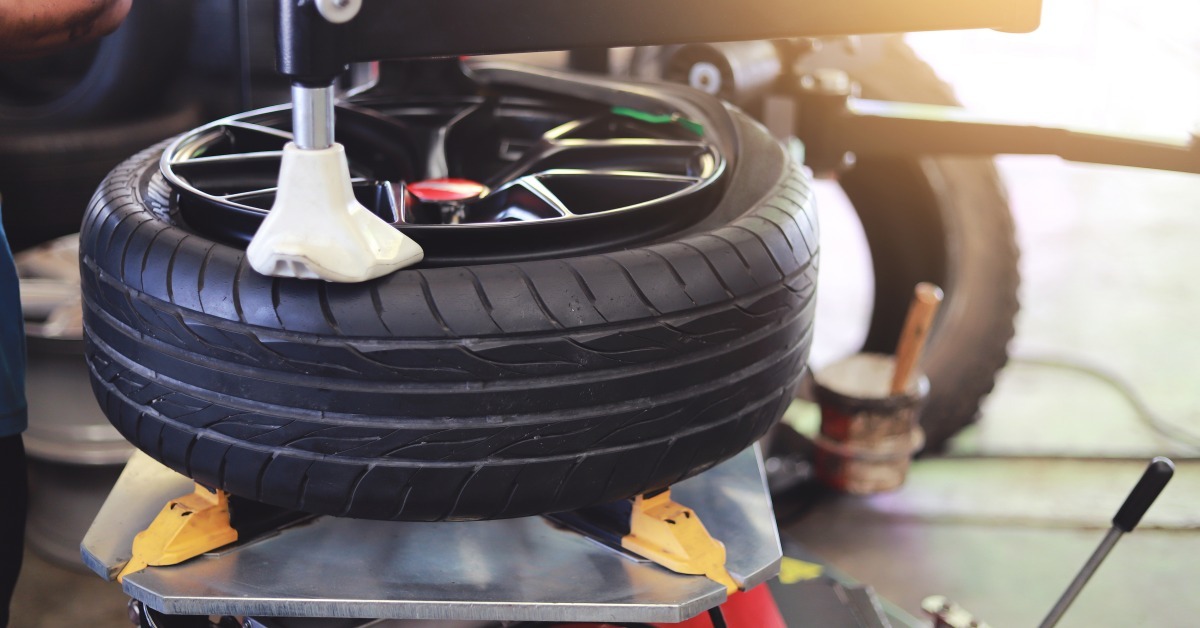
A tire changer must be able to securely hold wheels while technicians work. The clamping system affects wheel compatibility, positioning, and the handling of different rim designs.
Conventional turntable machines may use external or internal clamping arrangements. Other configurations secure wheels through center-clamping mechanisms. Each design has different requirements for wheel positioning, adapters, and supported dimensions.
For shops handling expensive alloy or custom wheels, review the machine's protective components. Plastic jaw covers, mounting head inserts, and other contact-point accessories may limit direct metal-to-metal contact.
Confirm which protective components come standard and which require separate purchases. Proper technique remains essential regardless of the equipment's protective features.
Your Shop's Daily Tire Service Volume
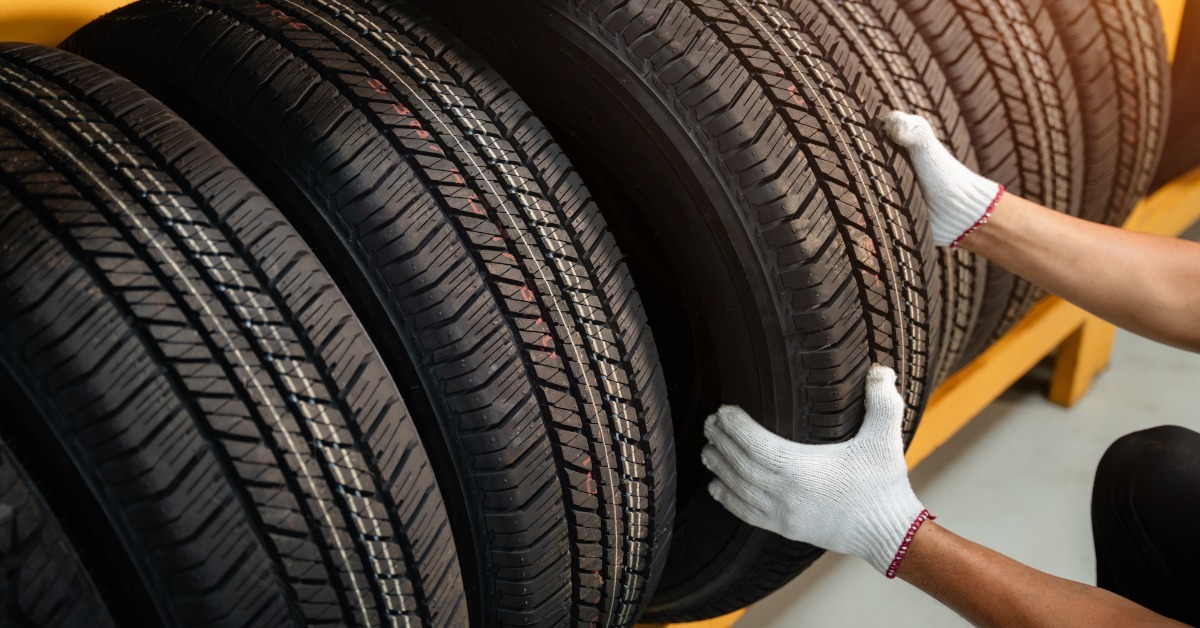
The number of tire jobs your shop completes should influence your equipment selection. A machine that you’ll use only occasionally for tire replacement faces different operating demands than one serving a dedicated tire bay throughout the workday.
If you have a higher-volume operation, consider how the equipment supports repeated mounting, demounting, bead breaking, and wheel positioning. Controls that are easy to reach and adjustments that are straightforward to repeat may matter more when technicians frequently perform these tasks.
Also think about your busiest service periods rather than an average day. If tire work regularly creates a bottleneck, compare the features that affect the steps that consume the most technician time.
Air, Power, and Workspace Requirements
Even a seemingly suitable machine can become a problem if your facility can’t accommodate it. Many tire changers rely on compressed air for clamping, bead breaking, or other pneumatic functions. Electrical requirements also vary by model. Check the specified operating pressure, air supply demands, voltage, and electrical configuration before ordering. Also measure the intended equipment location, including the space needed to operate moving arms and position wheels. Account for technician movement and nearby equipment rather than considering the machine's footprint alone.
Lastly, evaluate where completed wheels will go. A crowded tire bay can create unnecessary handling between the tire changer, wheel balancer, and vehicle service area.
Accessories and Total Purchase Costs
Purchase price matters, but it shouldn't be the only number guiding your decision. When reviewing things to consider when choosing a tire changer, look closely at what each quoted configuration actually includes. Two similarly priced machines may differ in assist equipment, adapters, protective accessories, and utility requirements. Review the total purchase requirements, including:
- Included tools and accessories
- Optional assist arms and adapters
- Required air or electrical provisions
- Freight and unloading arrangements
- Manufacturer warranty terms
Ask about replacement components and the manufacturer's documented parts and service procedures. Warranty coverage may differ for parts, labor, freight, and specific components.
Choose a Tire Changer With Confidence
The right tire changer should support the wheels that your technicians service, the workload that your shop handles, and the space available in your bay. Comparing exact specifications and included features prevents costly mismatches.
Ready to find the right machine? Browse the tire changer selection at Automotive Equipment Specialists to compare current models. Contact one of our equipment specialists with your facility requirements to discuss suitable options and confirm pricing, availability, freight, and warranty details before ordering.