

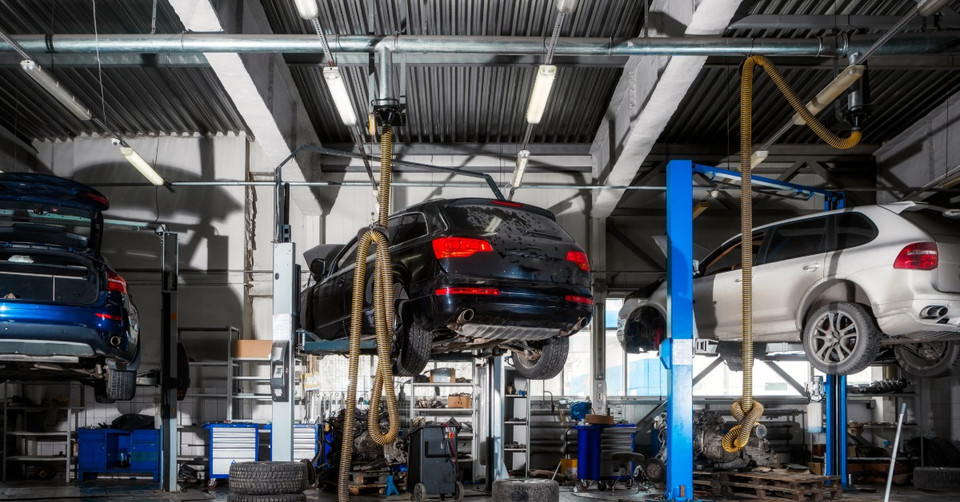
A two-post lift can make a service bay far more useful, but the wrong one can create headaches before the first vehicle goes up. Choosing the right 2-post car lift means matching the lift to the vehicles, the work, and the building instead of chasing one headline specification. Capacity matters, but so do arm reach and facility requirements. Start with what the shop needs the lift to do, then compare equipment around that job.
Start With the Vehicles You Service
The vehicle mix should drive the first round of decisions. A shop that mainly services compact cars and midsize SUVs has different needs from one that regularly sees pickups, vans, or longer-wheelbase vehicles. The rated capacity tells you how much the lift is designed to raise, but it does not confirm that every vehicle under that number will position correctly on a particular model.
Look closely at the vehicles that come through the bay most often. Pay attention to their lifting points and wheelbases, then compare those details with the exact lift documentation. Frame-engaging lifts depend on correct contact with manufacturer-recommended lifting points, so reach and positioning deserve the same attention as capacity.
Before narrowing the field, build a basic vehicle profile:
- Note the vehicle classes that make up most of the shop’s workload.
- Identify the heaviest vehicles the bay is expected to handle.
- Check whether longer-wheelbase or specialty vehicles appear regularly.
- Consider whether the shop expects its vehicle mix to change over time.
That profile gives you a stronger starting point than choosing a lift because it is popular. The right model should fit the work you perform now without boxing the shop in if its workload changes.
Compare the Lift Configuration to the Work
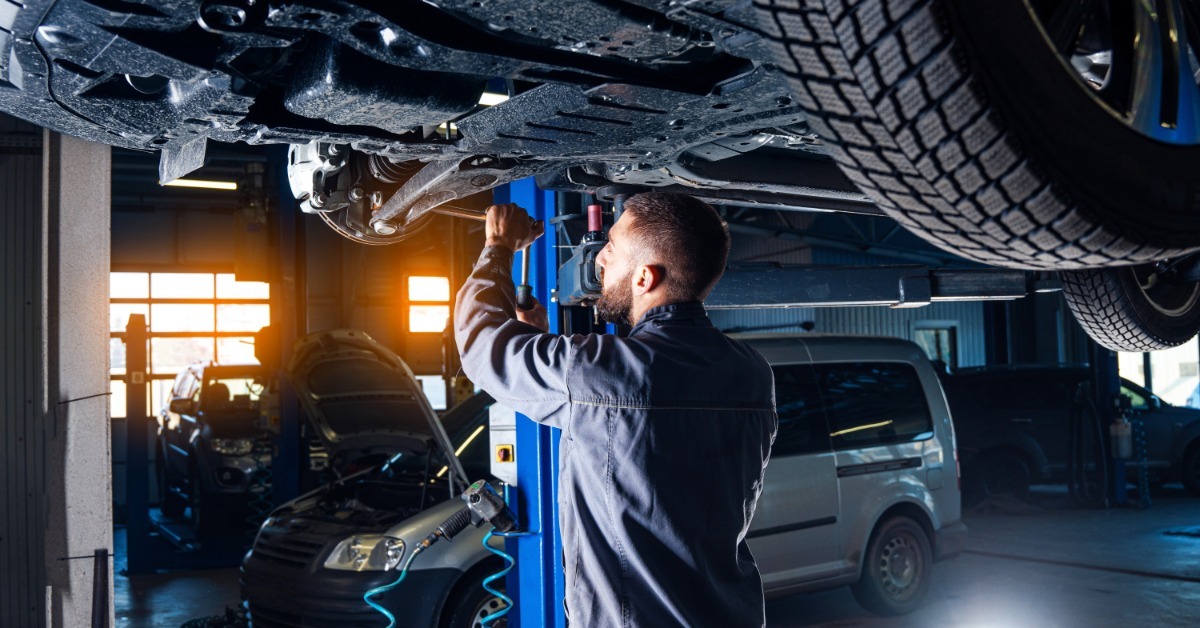
Two-post lifts share the same basic purpose, but their layouts can change vehicle positioning and movement around the bay. Symmetric and asymmetric designs place the vehicle differently relative to the columns. The practical question is which configuration works with the vehicles and lifting points your shop sees most often.
Arm design deserves the same attention. Different reach patterns can affect how easily the lift contacts approved lifting points. Capacity cannot compensate for arms that do not reach correctly.
Compare Symmetric and Asymmetric Designs
A symmetric lift generally centers the vehicle more evenly between the posts. An asymmetric lift changes the vehicle position relative to the columns, which can improve door clearance in some applications. The exact geometry varies by model, so manufacturer documentation should control the comparison.
Think about how vehicles enter the bay and where technicians need working room. Door opening and column location affect day-to-day use. Choose the layout that works consistently with the vehicle mix and available space.
Compare Clearfloor and Floorplate Designs
A clearfloor design keeps the area between the posts open at floor level. That can make it easier to move rolling equipment through the bay. Because certain components move overhead, usable ceiling height becomes part of the fit decision.
A floorplate design routes those components across a structure at floor level instead. That arrangement can suit facilities with tighter overhead space, but the plate changes how technicians and rolling equipment move through the bay. Compare that with how the space is actually used.
Check the Capacity Against the Real Workload
Higher capacity can be useful, but bigger is not automatically better. A lift still has to fit the vehicles, reach the correct lifting points, and work within the bay. Extra capacity does not solve a mismatch elsewhere.
Use the heaviest realistic vehicle in the service mix as a starting point, then verify the exact model’s rated capacity and intended applications. Vehicle weight distribution also matters because the load must remain within the lift manufacturer’s requirements. For pickups, vans, or specialty vehicles, confirm fit model by model rather than assuming the rated capacity settles the question.
This is where choosing the right 2-post car lift gets more specific than comparing product pages by capacity alone. Shops comparing 2-post car lifts should look past the headline number and confirm how each exact model fits the vehicles they expect to service. The equipment has to work at the contact points, not just on the specification sheet.
Check the Facility Before You Buy
A lift cannot be separated from the building around it. Measure the usable ceiling height and bay width before settling on a model. Then compare those dimensions with the exact lift requirements and the working clearance technicians need.
Concrete requirements also need exact model verification. Do not assume a rule from another lift applies to the one you are considering, and do not treat general concrete guidance as site approval. Follow the current manufacturer instructions and use qualified evaluations when slab conditions are uncertain.
Utilities belong in the same planning process. Verify the electrical requirements for the exact model and check any other required connections before you purchase any equipment. Confirming those details early is easier than discovering a facility mismatch after the equipment arrives.
Certification is another model-specific check. If Automotive Lift Institute (ALI) certification matters to your purchase, verify that the exact lift appears in the current ALI Directory of Certified Lifts. Do not assume certification for one model applies across a manufacturer lineup.
Review the Purchase Details That Affect the Total Cost
Once the vehicle and facility fit are clear, price comparisons become more useful. Compare exact models that meet the shop’s requirements, then review what each one includes. Accessories and configuration differences can change the final purchase picture even when two lifts look similar.
Look beyond the equipment price and factor in freight and other order-specific costs. Shipping terms can vary by model and destination, and the delivery site may affect how the lift needs to be unloaded. Before ordering, confirm the current price and availability, so you know what to expect from the purchase.
Don’t forget to check the warranty terms. Review the current manufacturer warranty and focus on what the documentation actually covers. If anything is unclear, get answers before purchase so the shop compares complete ownership terms instead of just initial price.
Choose the Lift That Fits the Bay
The right two-post lift has to work for both your vehicle mix and your bay. Capacity matters, but arm reach and facility requirements can rule out a model that otherwise looks like a good fit. Once you have a shortlist, compare the freight details and current manufacturer terms before making the final call.
Automotive Equipment Specialists can help you compare current two-post lift options against the details that matter in your shop. Tell us about your vehicle mix and bay measurements, then we can review the exact model specifications with you before ordering. That final check can help you confirm the configuration, current purchase terms, and delivery requirements without guessing.