
A productive repair shop isn’t built by filling every open corner with another machine. The equipment has to match the vehicles coming through the doors and the work your technicians perform every day. That makes deciding on which essential equipment your auto repair shop should have a question of capability, workflow, and fit—not simply checking products off a list. Whether you’re opening a new facility or replacing aging equipment, start with the machines that keep core services moving.
Build Your Shop Around Core Service Equipment
Major service equipment shapes what your bays can handle and how smoothly technicians can move from diagnosis to repair. A general repair shop will prioritize differently than a tire operation or dealership service department, so there is no universal shopping list.
Start with the work you already perform or plan to bring in-house. Match each purchase to your actual vehicle mix and available bay space. Daily volume matters, too, especially before you start comparing prices or optional features.
Choose Vehicle Lifts for Your Actual Work
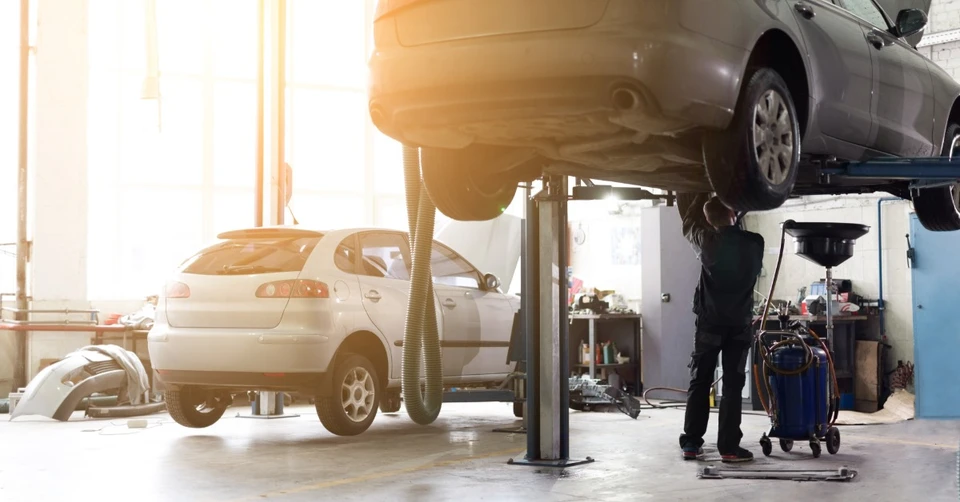
A vehicle lift is one of the bigger equipment decisions in a repair facility. Two-post lifts make sense for many jobs where technicians need open access around the wheels and underbody. Four-post lifts can be a better fit for vehicle storage, general service, alignment work, or heavier-duty applications when the exact model is designed for that use.
Rated capacity matters, but it is only part of the decision. Check your vehicles and available bay dimensions first. Then verify ceiling clearances and the exact model’s concrete or foundation requirements. Electrical needs, accessories, and installation details should also come from current manufacturer documentation.
If certification matters to your operation, check the specific model in the current Automotive Lift Institute (ALI) Directory of Certified Lifts. ALI certification applies to individual lift models, not automatically to every lift from a manufacturer.
Match Tire Equipment to Your Wheel Work
Shops performing tire service need a tire changer and wheel balancer that fit the work technicians actually see. A machine that looks attractive based on price can become a poor fit if technicians routinely handle applications outside its intended range or workflow.
Pay close attention to low-profile and run-flat volume because those jobs may change which assist features are useful. Verify the exact machine’s supported ranges and utility requirements before ordering. Included accessories and optional adapters also matter when they affect the work your shop expects to handle.
A tire changer and wheel balancer package can simplify a new bay or replacement project when both machines suit the same workload. Choosing the machines separately may make more sense when your shop needs different capability levels or wants more room to grow.
Support Your Bays With the Right Shop Systems
The essential equipment every repair shop should have extends beyond the machines bolted into individual bays. Supporting systems can keep technicians from waiting on shared resources or walking across the building for routine tasks. They can also prevent a bay from sitting idle because another piece of equipment is tied up.
This is where planning out auto shop supplies and equipment as one operating system pays off. Look at what repeatedly slows work down, then decide which supporting equipment removes that friction without adding capacity the shop will rarely use.
Depending on your service mix, useful categories can include:
- Air compressors and pneumatic support equipment sized for actual demand
- Diagnostic equipment appropriate for the vehicles and systems you service
- Parts washers sized for the components and volume your technicians handle
- Brake, alignment, or exhaust equipment tied to services you perform
- Workbenches, storage, and material-handling equipment that support an organized workflow
The goal is not to own every machine in the catalog. It is to build a shop where the supporting equipment keeps pace with the services feeding your bays.
Add Specialized Equipment When Demand Supports It
Specialized equipment makes sense when it supports a defined service line or solves a clear operational problem. A machine can look impressive on the floor and still be the wrong purchase if the workload does not justify it. The facility and supporting processes also have to make the equipment practical to use.
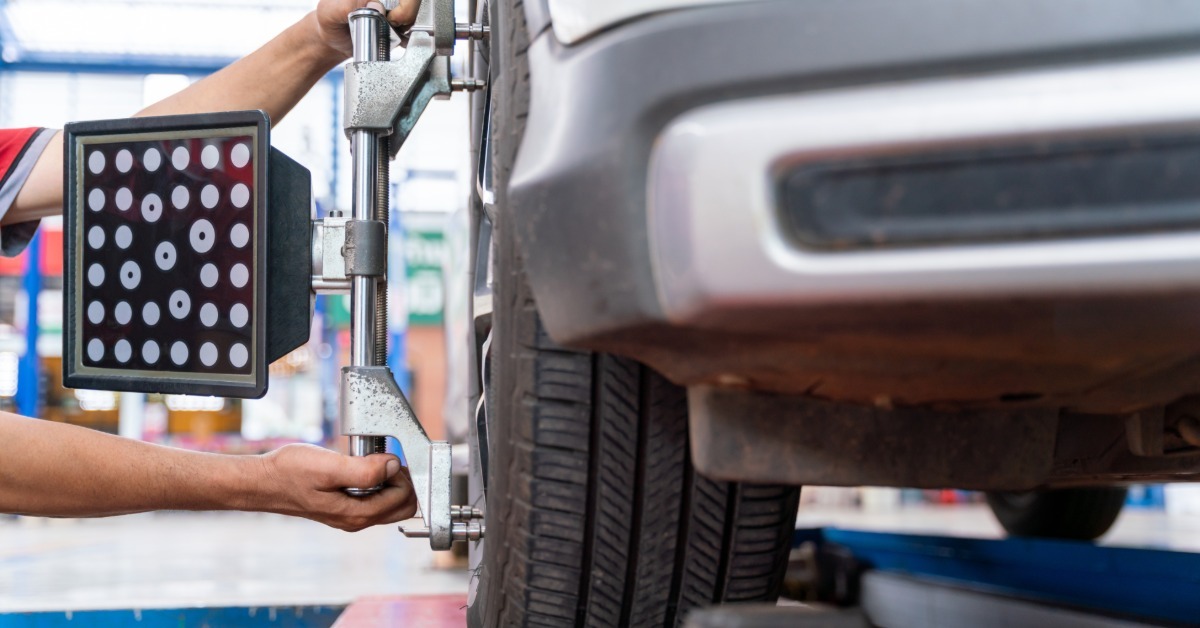
Advanced driver assistance systems (ADAS) calibration equipment is a good example. Shops considering ADAS capability should evaluate vehicle and system coverage along with available workspace. Target packages and software requirements can affect the setup. Alignment integration and current manufacturer procedures also matter, so the exact system configuration needs to fit the shop’s intended workflow.
The same logic applies to paint booths and heavy-duty equipment. It also applies to pipe benders and other specialty systems. Tie your purchase to the work your shop performs or has a realistic plan to perform, then confirm the exact model requirements before giving up floor space.
Check Your Facility Before Ordering Equipment
Even a well-matched machine becomes the wrong purchase if the building cannot support it. Measure the intended location early, especially for lifts and other large equipment that can create clearance, utility, or installation conflicts.
Before ordering, verify the items that apply to the exact machine:
- Bay width, depth, ceiling clearance, and overhead obstructions
- Concrete or foundation requirements from current manufacturer documentation
- Electrical service and shop-air requirements
- Required ventilation or other facility systems
- Working clearance for technicians, vehicles, and accessories
- Delivery access from the receiving point to the final equipment location
Do not rely on a universal rule for concrete or power. The same goes for air and installation requirements. These details vary by equipment and exact model, and current manufacturer documentation should control the technical requirements.
Plan Your Purchase Beyond the Specification Sheet
Large automotive shop equipment comes with logistics and ownership questions that deserve attention before checkout. Freight is one of them because the delivery method can affect how you receive and unload the equipment. It can also affect the final cost of getting a machine into the shop.
Confirm the current freight arrangement for the product and destination you are considering. Commercial and residential delivery can involve different conditions, and large equipment may require suitable unloading capability or additional freight services. Availability and shipping cost remain product- and order-specific, as do delivery expectations.
Warranty is another item to check at the model level. Coverage varies by manufacturer and product, so review the current terms instead of assuming one warranty applies throughout the catalog. Financing options may also be worth evaluating for qualifying equipment when a large purchase needs to fit the shop’s cash-flow plan.
Equip Your Shop for the Work Ahead
The right equipment lineup is not the longest one. It is the combination of core machines and supporting systems that fit your vehicles, facility, workflow, and plans for the shop without creating expensive mismatches.
Automotive Equipment Specialists is a multi-brand automotive shop-equipment dealer with human sales support for high-value purchases. Find top of the line popular brands like Bendpak, Ranger, Tuxedo, Atlas, Coats, Robinair and more. When you’re opening a shop, adding a bay, or replacing major equipment, talk with one of our equipment specialists about the work you handle and what your facility can support. We can help you narrow the options, compare the right equipment for your shop, and move forward with more confidence before you place the order.