

In an auto repair shop, every service bay, piece of equipment, and daily procedure affects how efficiently the team completes repairs. When technicians spend too much time waiting for equipment, searching for tools, or moving vehicles, those delays can limit the work your shop is able to handle.
Maximizing your auto shop's productivity starts with identifying those bottlenecks and making practical improvements. From choosing equipment that matches your workload to organizing service bays, making the right adjustments can help your team work more efficiently without sacrificing service quality.
Identify What's Slowing Down Your Shop
Examine where technicians lose time throughout the day. A busy shop isn't necessarily a productive one, especially when employees spend valuable minutes on tasks unrelated to actual repairs.
Start by observing how vehicles move through your facility. Look for recurring delays between check-in, diagnosis, service, and final inspection. Pay particular attention to jobs that regularly take longer than expected. Common productivity obstacles include:
- Equipment shortages: Technicians must wait for shared lifts, diagnostic tools, or tire-service machines.
- Poor bay organization: Employees spend too much time retrieving tools or moving between workstations.
- Outdated equipment: Aging machines may require frequent adjustments or repairs or additional operating steps.
- Scheduling conflicts: Multiple vehicles often arrive for services that require the same specialized equipment.
- Parts delays: Repairs stall because the necessary components weren't ordered or confirmed beforehand.
Track these problems over several workdays and record where delays occur to get a clearer picture of which improvements deserve attention first.
Choose Equipment That Matches Your Workload
Your equipment should reflect the vehicles your shop services and the jobs your technicians perform most frequently. A machine with impressive specifications won't necessarily improve efficiency if its capabilities don't match your daily workload.
Review your service records to identify recurring jobs, vehicle types, and equipment demands. For example, a shop specializing in passenger-car maintenance may have different lift requirements than a facility that regularly services commercial vans or larger fleet vehicles.
When you’re comparing automotive shop equipment, evaluate more than purchase price. Consider the machine's operating requirements, available accessories, and vehicle compatibility and how it fits into your existing workflow.
Vehicle Lifts
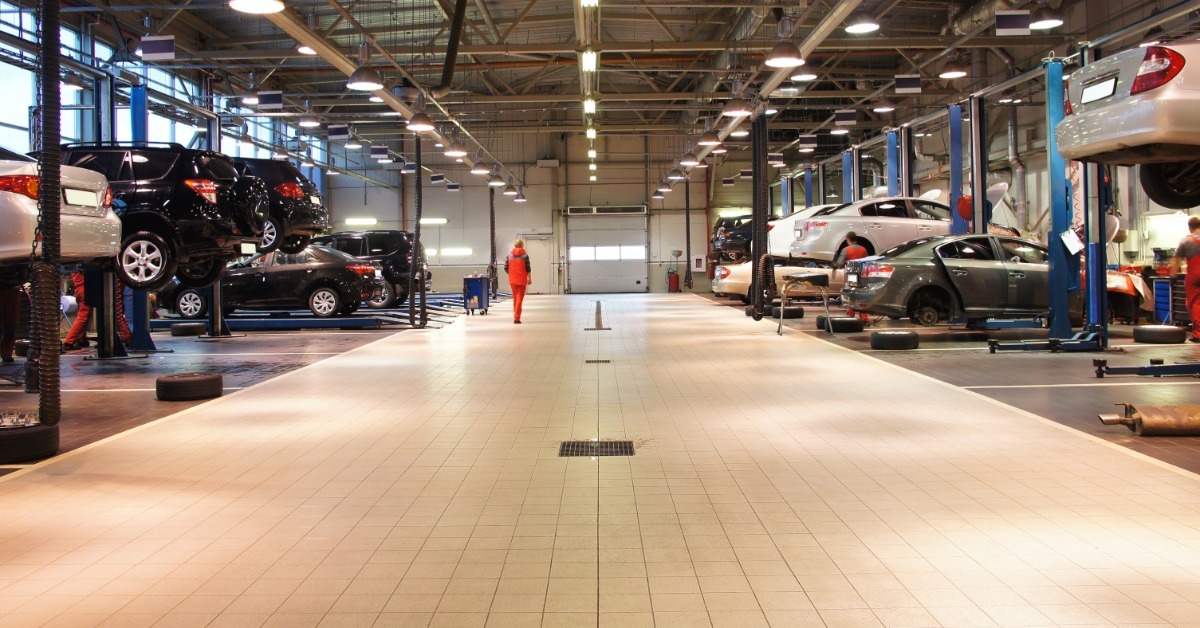
Vehicle lifts play central roles in repair operations. Choosing the appropriate configuration can make routine maintenance, inspections, and specialized repairs easier to organize.
A two-post lift provides access to a vehicle's underside and wheels, making it a practical option for mechanical repairs. A four-post lift supports drive-on positioning and may suit certain inspection, alignment, or other service applications.
Before selecting a lift, confirm its rated capacity, vehicle compatibility, ceiling clearance, bay dimensions, and installation requirements. Concrete specifications, electrical needs, and manufacturer documentation also matter. A lift that doesn't accommodate your facility or typical vehicles can create additional workflow problems instead of solving them.
Tire and Wheel Service Equipment
For shops that frequently handle tire replacements, the tire changer and wheel balancer deserve particular attention. Equipment limitations can slow down service when technicians regularly encounter different wheel sizes, low-profile tires, or specialty applications.
Compare tire changers based on their supported wheel and tire ranges, available assist features, and operating requirements. For wheel balancers, examine supported wheel dimensions, weight limits, adapters, and balancing functions.
If both of your machines need replacing, consider a tire changer and wheel balancer package. Compare the included accessories and individual machine specifications before choosing a package.
Organize Service Bays Around Daily Tasks
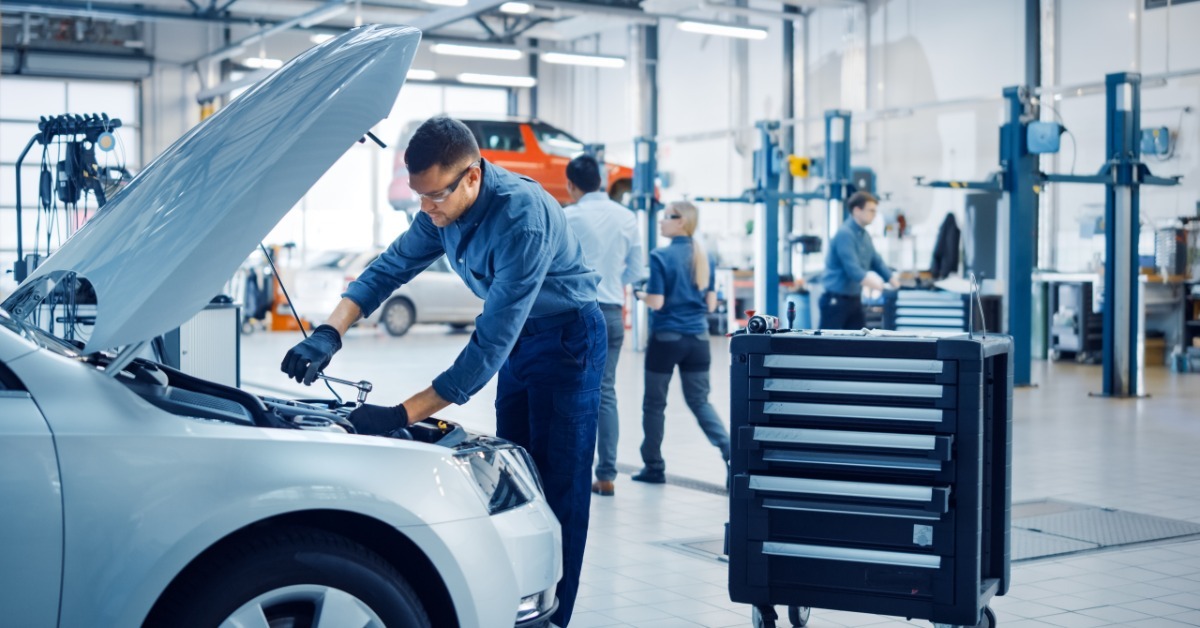
An efficient shop layout reduces unnecessary movement and makes frequently used equipment easier to access. Technicians shouldn't have to repeatedly cross the facility to retrieve basic tools or reach a shared workstation.
Arrange each bay according to the services performed there. Keep commonly used hand tools, inspection equipment, and approved supplies close to the technicians who need them.
Consider how larger machines affect movement throughout the shop. Tire-service equipment needs adequate operating clearance, while vehicle lifts require sufficient room for positioning vehicles and accessing surrounding work areas.
Before rearranging equipment, review these practical considerations:
- Vehicle movement: Maintain clear routes between entrances, service bays, and exits.
- Equipment access: Provide the operating clearance that each manufacturer specifies.
- Utility connections: Position equipment where suitable electrical and compressed-air connections are available.
- Shared workstations: Place frequently used machines where technicians can access them without disrupting other repairs.
- Parts storage: Organize commonly needed components so that employees can retrieve them efficiently.
Improve Scheduling and Technician Coordination
Even a well-equipped shop can struggle if its schedule doesn't reflect available resources. Booking several equipment-dependent services simultaneously may leave technicians waiting for the same machine.
Review appointment types, expected labor requirements, and bay availability before assigning work. Jobs that require specialized equipment should be scheduled around the resources needed to complete them. For example, if your shop has one alignment station, consider its availability when you’re scheduling multiple alignment appointments. The same principle applies to diagnostic equipment, tire-service machines, and specialized lifting arrangements.
Maintain Equipment Before Problems Interrupt Service
Preventive maintenance supports consistent shop operations by addressing equipment concerns before they become major interruptions. A malfunctioning lift or tire changer can affect more than one technician when several appointments depend on that machine.
Follow each manufacturer's maintenance schedule and inspection instructions. Keep records of completed service, reported problems, and any repairs requiring qualified personnel.
Pay attention to changes in equipment operation, including unusual noises, inconsistent performance, or visible damage. Remove equipment from service when required by manufacturer instructions or applicable safety procedures.
Maintenance planning should also account for replacement parts, authorized service requirements, and manufacturer warranty conditions. These details become especially important when evaluating older equipment that frequently needs attention.
Equip Your Shop for More Efficient Operations
Maximizing your auto shop’s productivity requires having equipment that fits your vehicles, facility, and daily workload. Address any recurring delays first, and then compare the machines and configurations that can support your service goals.
Automotive Equipment Specialists offers a multi-brand selection of vehicle lifts, tire-service machines, and other professional equipment. Contact one of our equipment specialists to discuss your shop's vehicle mix, bay dimensions, and service requirements. Then, compare suitable models and confirm current pricing, availability, freight, and manufacturer warranty details before ordering.