

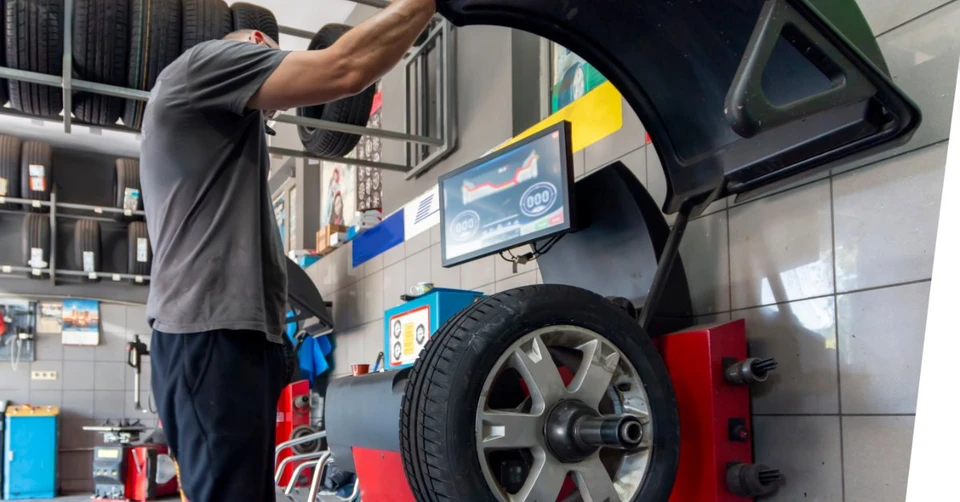
A shop that needs to perform tire changes and wheel balancing has two choices: buy the machines separately or choose packages built around the same service process. The reasons to invest in a tire changer and wheel balancer combo become clearer when both machines are already part of the plan. A well-matched package can simplify equipment comparison and bay planning. The value is not in the word “combo.” It is in getting two machines that make sense together for the work your shop actually does.
Add Both Capabilities in One Purchase
A tire changer and wheel balancer handle different parts of the same job. The changer removes and installs the tire, while the balancer checks the finished wheel-and-tire assembly for imbalance so the technician can correct it. If both machines are going into the same service area, buying them together keeps the purchase focused on the full tire-service process.
That can be useful when you are opening a new tire bay or replacing older equipment at the same time. Instead of solving one half of the process now and revisiting the other later, you can compare how the two machines fit the same workload from the start.
Combo does not always mean one integrated unit. Many packages pair two standalone machines, and some use a more compact balancer arrangement. That is why the exact package contents still matter even when the machines are sold together.
Match Both Machines to the Same Wheel Work
The first real test is the wheel and tire work your technicians see most often. A shop that mainly handles common passenger vehicles may need a different setup from one that regularly sees low-profile tires or larger assemblies. Both machines need to cover that workload, not just the one that gets the most attention on the product page.
For a shop comparing a tire machine and balancer combo, start with the jobs that already come through the door. Write down the wheel and tire sizes you see regularly, then note any work that puts extra demands on the changer or balancer. That gives you a better filter than comparing package prices before you know which setups actually fit.
A useful pre-purchase check includes:
- Common wheel and tire sizes
- Typical tire-service volume
- Low-profile, run-flat, or other specialty tire work
- Wheel dimensions and weights the balancer needs to accommodate
- Adapters, cones, assist features, or other accessories required for routine jobs
- Vehicle classes the shop expects to service regularly
Once that picture is clear, compare the exact specifications for each machine in the package. One half of the combo shouldn't carry the decision while the other barely meets the shop’s needs. If the changer and balancer need different capability levels, buying separate machines may give you a better fit.
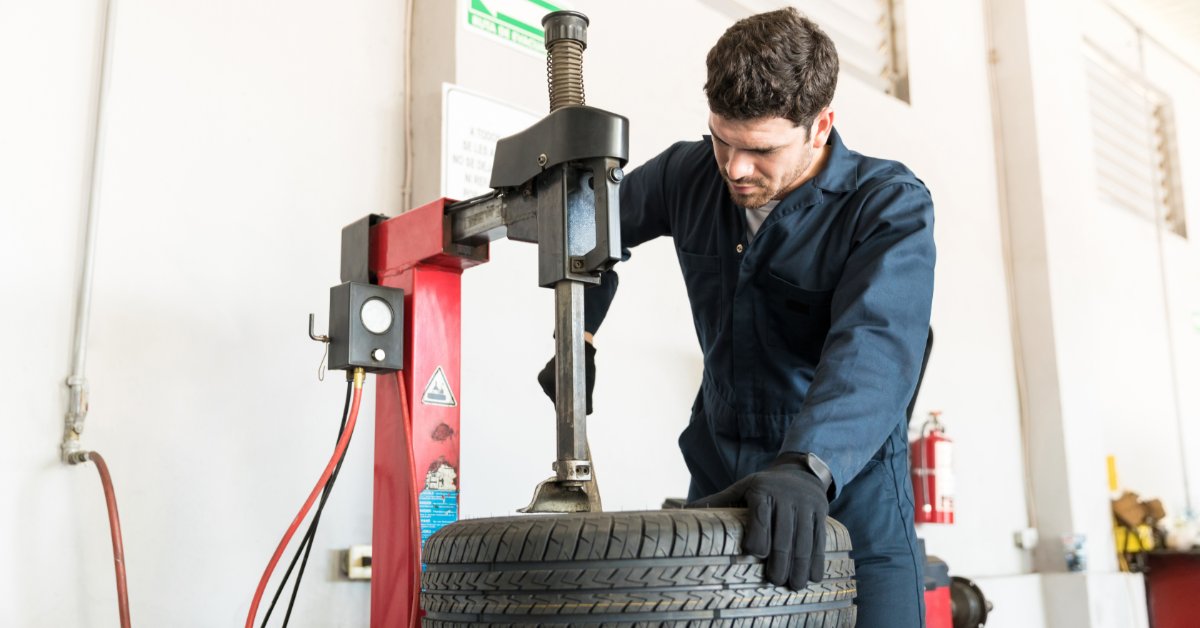
Plan the Tire Bay as One Working Area
When you buy both machines together, you can plan their placement before either one arrives. Tire service has a natural sequence: the wheel comes off the vehicle, moves to the changer, then goes to the balancer before returning to the bay. Equipment placement should make that path straightforward, not force technicians to work around whatever space happens to be open.
Look at the room around the machines, not only their published footprints. Technicians need space to handle wheel assemblies and reach the controls comfortably. Nearby lifts and normal shop traffic can affect whether a layout that works on paper will work during a busy day.
This is one practical reason to invest in a tire changer and wheel balancer combo when you're adding both at once. You can treat the tire-service area as one workflow instead of finding a spot for one machine and hoping the second fits later. Still check the exact dimensions before you commit.
Coordinate Utilities and Delivery Before the Equipment Arrives
A package may put the purchase on one order, but the two machines can still have different facility requirements. Check the current electrical and compressed-air requirements for each exact model. The bay needs to support both machines without forcing last-minute changes after delivery.
Placement can create its own surprises. Doorways, columns, nearby equipment, and the route from the receiving area can all affect where the machines can go. Measure those points while you are comparing packages, not after the equipment reaches the shop.
Before ordering, make sure you know:
- What electrical service each machine requires
- Whether compressed air is needed and at what specification
- How much working clearance the equipment needs
- How the shipment will move from the delivery point to the tire-service area
- What setup requirements the manufacturer identifies for the exact models
Freight deserves the same early attention. Delivery conditions and unloading needs can vary by product and destination, so they belong in the purchase conversation before the equipment is on the way. Planning for them early also gives you a more realistic picture of the total cost.
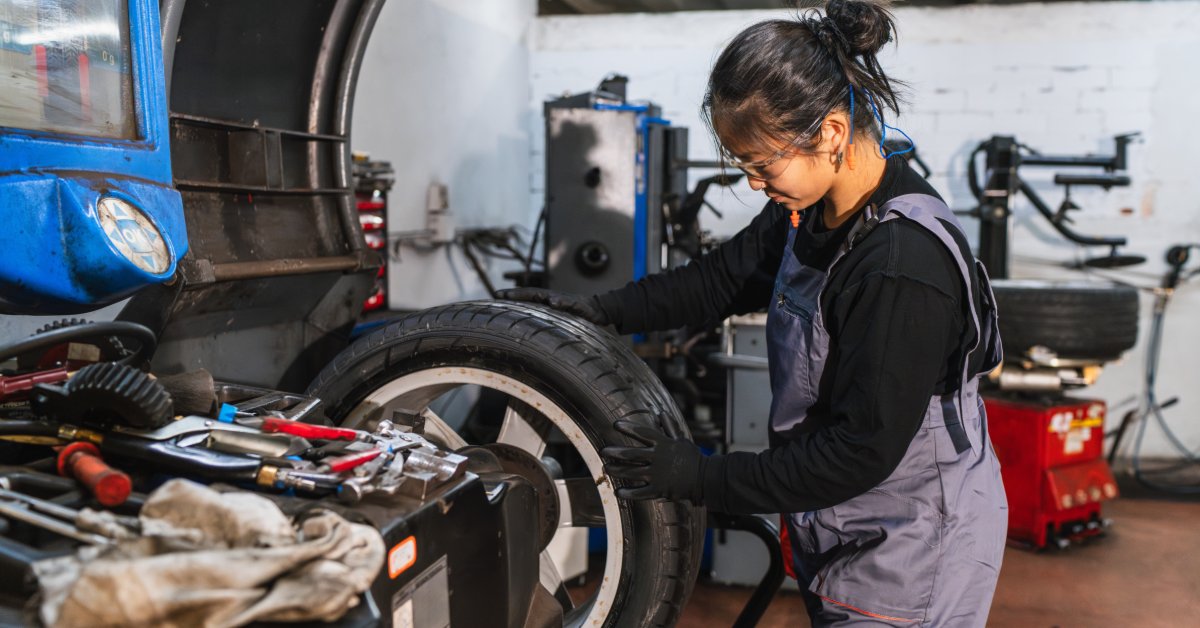
Compare the Complete Package, Not Just the Bundle Price
A combo can simplify the shopping process, but the package price is only useful after the equipment fits the work. Two combinations can look similar online and still differ in changer configuration or balancer capability. Those differences can matter more than a small gap in the advertised price.
Check what equipment is included before assuming a common accessory is part of the package. Then consider what the shop would need to add for its normal wheel work. A lower initial price loses some of its appeal if the shop has to add important equipment right away.
Warranty terms deserve the same model-by-model review. The tire changer and wheel balancer may have different manufacturer coverage, even when they are sold together. Price and availability can also change, so confirm those details when you are ready to order.
At that point, the total landed cost becomes the more useful comparison. You are no longer asking which package has the lowest sticker price. You are comparing what it takes to get a suitable two-machine setup into the shop and ready for the work you expect it to handle.
Choose the Combo Around the Work in Your Shop
A tire changer and wheel balancer combo makes the strongest case when your shop already needs both machines and the pair fits the same service workload. Buying them together can simplify equipment comparison and bay planning without forcing you to treat two related machines as separate projects. The better the package matches the wheels and day-to-day tire work in your shop, the more useful that convenience becomes.
Automotive Equipment Specialists offers current tire changer and wheel balancer packages across different equipment configurations. Compare the packages that fit your workflow and available bay space, then bring any remaining fit or purchase questions to one of our equipment specialists. They can help you review the exact package details and current purchase terms before you order.