


Advanced driver assistance systems (ADAS) rely on cameras, radar sensors, and other components to monitor road conditions and support vehicle safety features. However, repairs and adjustments can affect how accurately these systems interpret their surroundings.
Knowing when ADAS calibration is required helps repair shops identify necessary procedures, plan service workflows, and avoid returning vehicles with improperly configured systems. Calibration may be necessary after collision repairs, windshield replacement, suspension work, or other procedures that change sensor positioning. For shop-owners considering ADAS services, understanding these requirements also helps them determine which equipment and workspace configurations make sense for their businesses.
What Is ADAS Calibration?
ADAS calibration is the process of checking and adjusting a vehicle's driver assistance sensors according to manufacturer specifications. These assistance systems use information from cameras, radar, and other sensors to support features such as automatic emergency braking, adaptive cruise control, and lane departure warning.
Even small changes in sensor alignment can affect how a system interprets its surroundings. A forward-facing camera that no longer points in the intended direction, for example, may incorrectly assess lane markings or the position of objects ahead.
Calibration procedures reestablish the required sensor orientation or operating parameters. Depending on the vehicle, technicians may need specialized diagnostic software, calibration targets, a controlled workspace, or a prescribed driving procedure.
When Is ADAS Calibration Required?
The answer to when ADAS calibration is required depends on the vehicle manufacturer's service instructions. Several common repair situations warrant checking those instructions before the vehicle returns to service:
After Windshield Replacement
Many vehicles position their forward-facing ADAS cameras near the rearview mirror, where they monitor lane markings, vehicles, and other road features. Replacing the windshield can change the camera's position relative to the road, so some manufacturers require camera calibration following windshield replacement. Technicians should verify the correct windshield specification, camera mounting condition, and manufacturer calibration procedure before completing the job.
Following Collision Repairs
Collision damage can affect ADAS components even when sensors show no visible damage. Impact forces, replacement body panels, and structural repairs may change the positioning of cameras or radar units. Collision shops should review repair documentation and identify ADAS requirements during estimating and repair planning.
After Wheel Alignment or Suspension Work
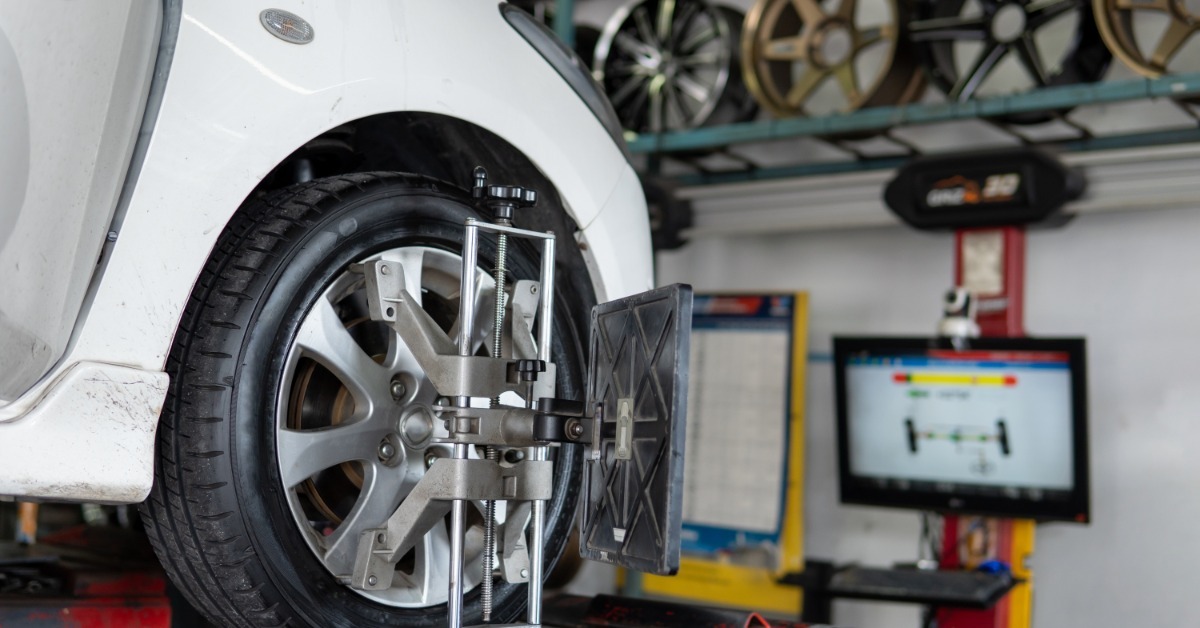
Vehicle ride height, steering geometry, and wheel alignment can influence how certain ADAS systems interpret the vehicle's direction of travel. Replacing suspension components, adjusting alignment angles, or modifying ride height may trigger manufacturer-specified calibration procedures.
Some vehicles require a complete wheel alignment before camera or radar calibration can begin. Others have additional requirements involving steering angle sensors or related electronic systems. The repair order should reflect the exact vehicle procedure.
After Sensor Replacement or Removal
Replacing a radar sensor or camera often introduces the need to verify its calibration. The same concern can arise when a technician temporarily removes a sensor to access another component.
A replacement part may need programming, initialization, aiming, or calibration before the associated driver assistance feature operates as intended. Even reinstalling the original sensor doesn't automatically eliminate the need for calibration. Manufacturer instructions determine which procedures apply.
What Are the Different Types of ADAS Calibration?
ADAS calibration generally falls into two categories: static and dynamic. Some vehicles require both methods, while others specify only one.
Static Calibration
Static calibration takes place while the vehicle remains stationary in a controlled workspace. Technicians position designated targets, reflectors, or other calibration fixtures at manufacturer-specified locations. Diagnostic software guides the procedure and communicates with the appropriate vehicle systems.
Successful setup depends on factors including floor levelness, vehicle positioning, target placement, and lighting. These requirements make facility planning especially important for shops evaluating fixed calibration systems.
Dynamic Calibration

Dynamic calibration requires driving the vehicle under specified conditions while its sensors collect information. Depending on the manufacturer, the procedure may specify vehicle speed, road markings, weather, traffic conditions, or a minimum driving distance. A scan tool may initiate or monitor the process, but the vehicle must satisfy the prescribed conditions for calibration to complete.
How Can Shops Determine Whether Calibration Is Necessary?
A warning light isn't a reliable indicator of every calibration requirement. Some vehicles may operate without displaying an obvious fault even when a manufacturer requires calibration after a particular repair. Therefore, shops should establish a consistent process for identifying calibration needs:
- Identify the vehicle: Record the year, make, model, trim, and relevant ADAS features.
- Review the repair: Determine which components were replaced, adjusted, removed, or disturbed.
- Check OEM procedures: Consult current original equipment manufacturer repair instructions for calibration requirements.
- Inspect related systems: Address specified alignment, mounting, diagnostic, or preliminary repair conditions.
- Document the results: Retain applicable scan reports, calibration records, and procedure information.
This process also helps service advisors explain why a calibration procedure may be necessary even if the customer hasn't noticed a problem.
What Equipment Does an ADAS Calibration Shop Need?
Shops planning to perform calibrations should start with their actual vehicle mixes and the procedures those vehicles require. ADAS calibration equipment may include a calibration frame, manufacturer-specific targets, radar accessories, diagnostic tablets, and software.
Before selecting a system, compare several practical factors:
Vehicle Coverage and Software
Confirm that the system supports the specific makes, models, model years of the vehicles that your shop services as well as the calibration procedures that your shop intends to perform. Review software subscription requirements, update policies, and any additional diagnostic functions needed for the intended workflow.
Facility Space and Alignment Integration
Static calibration may require substantial clear space around the vehicle. Target placement, lighting, floor conditions, and alignment prerequisites can also influence which bay is suitable.
Shops already performing wheel alignments should investigate whether a proposed calibration package integrates with their existing workflows and equipment.
Package Contents and Operating Costs
Compare included targets, accessories, diagnostic devices, software, and optional components rather than evaluating systems by purchase price alone. Also consider recurring subscriptions, technician training needs, freight requirements, and manufacturer warranties. These details will help you establish the total cost of adding calibration capability.
Find the Right ADAS System for Your Shop
Adding calibration capability starts with understanding the vehicles that your technicians service and the space you have available for the work. Automotive Equipment Specialists offers Autel ADAS systems with different calibration configurations, diagnostic capabilities, and alignment integration options. Compare the exact packages to determine which equipment supports your intended services.
If you’re ready to equip your shop for ADAS calibration, contact Automotive Equipment Specialists to discuss your vehicle coverage requirements, bay layout, and equipment options. One of our equipment specialists can help you compare configurations and confirm current pricing, included accessories, availability, and freight considerations before you order.